

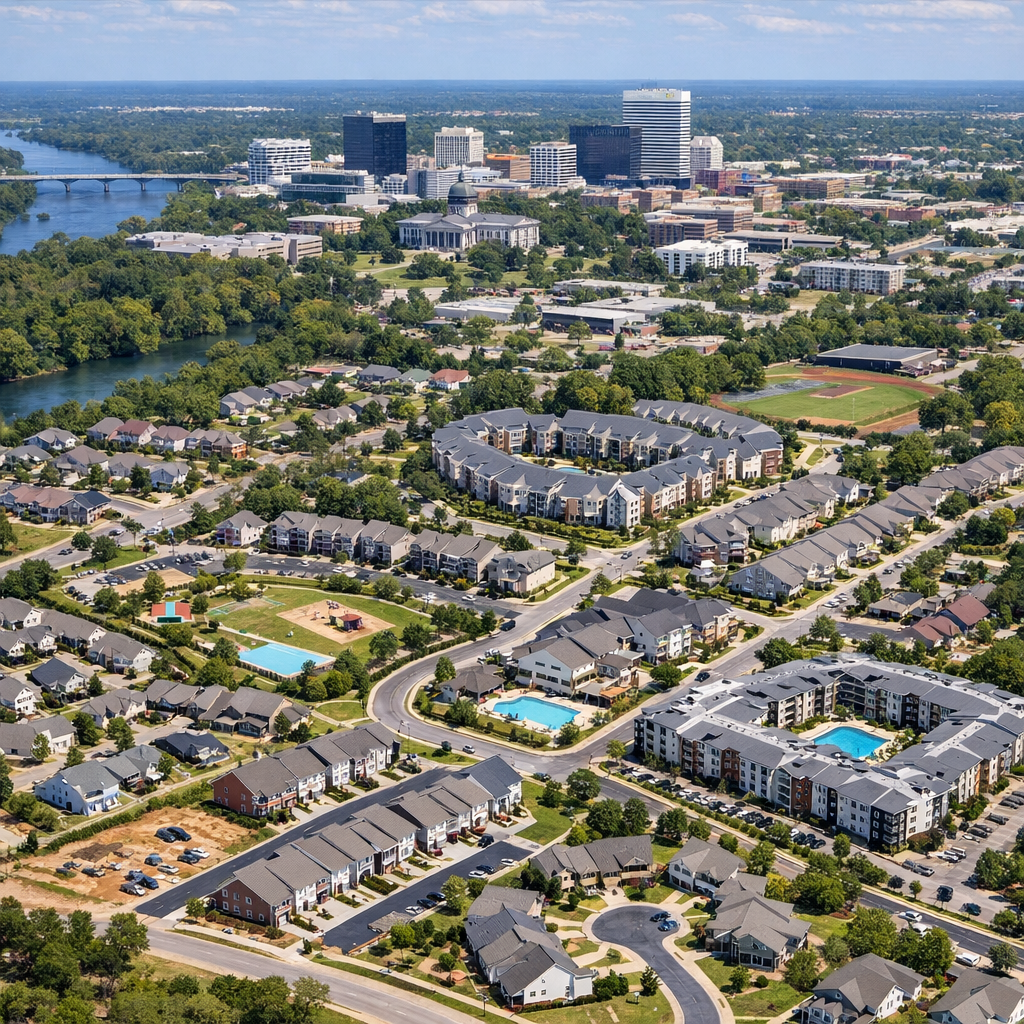
Columbia, South Carolina, is experiencing a significant affordable housing crisis, driven by rapid population growth and limited housing options. This issue affects a broad spectrum of residents, from low-income families to middle-class workers, and has become a pressing concern for the community.
Factors Contributing to the Crisis
Several factors have intensified the housing shortage in Columbia:
- University Expansion: The University of South Carolina’s growing student body has increased demand for off-campus housing, leading to higher rents and reduced availability for non-student residents.
- Population Growth: As more people move to Columbia for employment and education opportunities, the existing housing infrastructure struggles to accommodate the influx.
- Limited Development: The city’s housing development has not kept pace with demand, resulting in a scarcity of affordable options.
Community Impact
The housing crisis has far-reaching effects on Columbia’s residents:
- Displacement: Long-term residents are being priced out of their neighborhoods as rents increase.
- Homelessness: The lack of affordable housing contributes to a rise in homelessness, with many individuals and families unable to secure stable accommodations.
- Economic Strain: High housing costs force residents to allocate a disproportionate share of their income to rent, limiting their ability to spend on other necessities.
Community Responses
In response to the crisis, various initiatives have been undertaken:
- Rapid Shelter Columbia: Launched in 2023, this program provides transitional housing and support services to individuals experiencing homelessness, aiming to facilitate their transition into permanent housing.
- Missing Middle Housing Study: The city conducted a study to identify barriers to developing diverse housing types that cater to a range of income levels, with the goal of implementing policies that encourage such development.
- Food Access Programs: Recognizing the intersection of housing and food insecurity, initiatives like the Grocery Access Pilot (GAP) program have been introduced to ensure residents have access to affordable, nutritious food.
Looking Ahead
Addressing Columbia’s affordable housing crisis requires a multifaceted approach, including policy reforms, community engagement, and strategic development. Continued collaboration between city officials, community organizations, and residents is essential to create sustainable solutions that meet the diverse needs of Columbia’s population.