

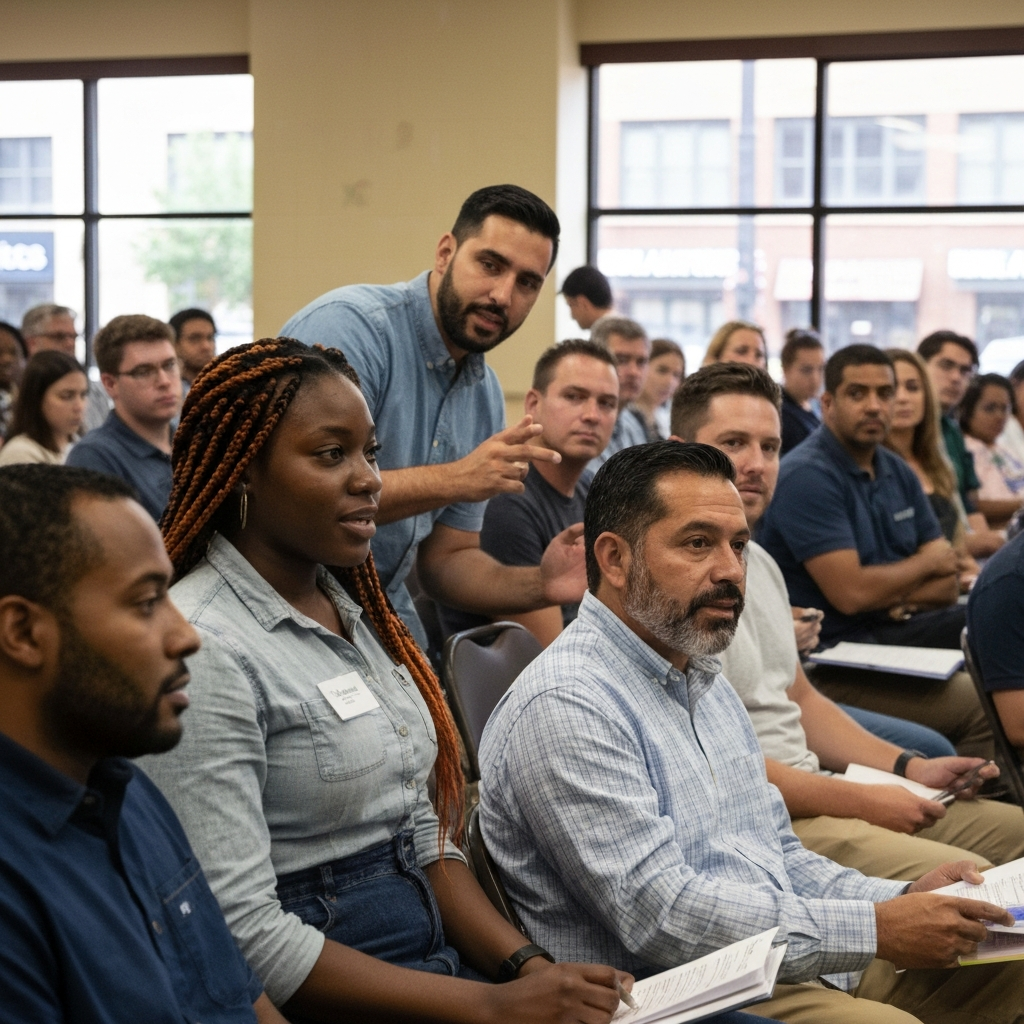
As national policies evolve, their effects ripple through communities across the country, including here in Columbia, South Carolina. Recent federal actions in immigration enforcement, economic strategies, and scientific governance have sparked discussions on their local implications.
Immigration Enforcement and Community Relations
Recent polls indicate a growing concern among Americans regarding the aggressiveness of Immigration and Customs Enforcement (ICE) tactics. Approximately 60% of registered voters believe that ICE’s methods have ‘gone too far.’ This sentiment reflects a broader national debate on balancing immigration enforcement with community trust. In Columbia, a city with a diverse population, such enforcement strategies can influence local law enforcement relationships and community cohesion.
Economic Policies and Local Impact
The federal government’s approach to tariffs and trade has led to market volatility. The implementation of a universal 10% tariff on nearly all countries, along with higher rates on specific nations, has contributed to economic uncertainty. This policy has been associated with a stock market downturn and the emergence of a ‘Sell America’ investment trend. For local businesses in Columbia, especially those involved in international trade, these developments may affect operations and financial planning.
Changes in Scientific Governance
In a significant move, President Trump dismissed all 24 members of the National Science Foundation’s governing body. This action has raised concerns about the future direction of scientific research and funding. For institutions like the University of South Carolina, which rely on federal grants for research initiatives, such changes could impact funding opportunities and research priorities.
Understanding these national policies is crucial for Columbia residents and policymakers to navigate their potential local effects. Staying informed and engaged ensures that our community can adapt and respond effectively to the evolving national landscape.